
The Problem with Traditional Glucose Monitoring
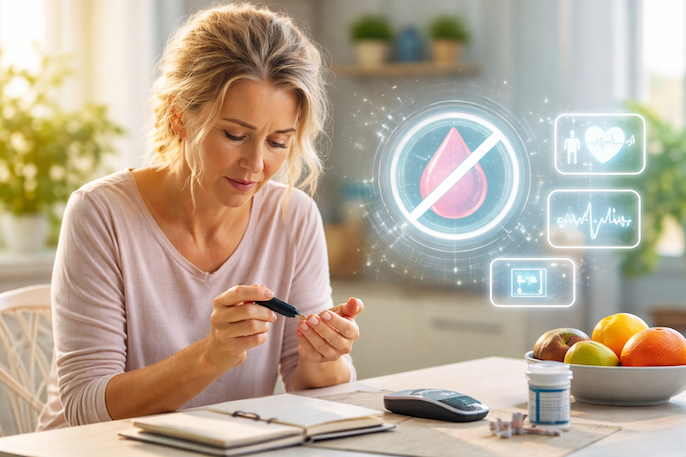
For millions of people living with diabetes, one daily routine never gets easier: finger pricking.
Most glucose meters still require:
- Finger prick
- Blood sample
- Test strips
While accurate, this method comes with real downsides — discomfort, inconvenience, and ongoing cost.
The Rise of Non-Invasive Glucose Monitoring
New technologies are now making it possible to check blood sugar without drawing blood.
These devices use advanced sensors and optical systems to estimate glucose levels through the skin — no needles required.
But the real question is:
Do they actually work reliably?
A Smarter Hybrid Approach
One of the most practical solutions today is the hybrid glucometer.
This approach combines:
- Non-invasive daily monitoring
- Occasional finger-prick calibration
This gives users a balance between comfort and accuracy.
Explore CNOGA COG Hybrid Glucometer
Going Fully Non-Invasive
For those looking to eliminate finger pricks almost entirely, newer devices take things even further.
These systems use:
- Optical sensors
- Algorithm-based analysis
- Multi-parameter monitoring
Some devices go beyond glucose tracking and provide insights into overall blood condition.
Explore CNOGA MTX Advanced Monitor
Pros and Considerations
Advantages:
- No daily finger pain
- More convenient testing
- Encourages more frequent monitoring
- Potential long-term savings
Things to consider:
- May require calibration
- Learning curve for new users
- Accuracy can vary between devices
Final Thoughts
Non-invasive glucose monitoring is no longer just an idea — it’s becoming a real alternative.
For anyone tired of constant finger pricking, this new approach offers a more comfortable and modern solution.
The future of glucose monitoring may be closer than you think.